0052-051-000
isb@PakistanBarCouncil.com
Follow Us:

1947

ISLAMIC REPUBLIC OF PAKISTAN

P A K I S T A N

Officially the Islamic Republic of Pakistan, is a country in South Asia. It is the fifth-most populous country, with a population of over 241.5 million, having the largest Muslim population as of 2023. Islamabad is the nation's capital, while Karachi is its largest city and financial centre. Pakistan is the 33rd-largest country by area, being the second largest in South Asia. Bounded by the Arabian Sea on the south, the Gulf of Oman on the southwest, and the Sir Creek on the southeast, it shares land borders with India to the east; Afghanistan to the west; Iran to the southwest; and China to the northeast. It shares a maritime border with Oman in the Gulf of Oman, and is separated from Tajikistan in the northwest by Afghanistan's narrow Wakhan Corridor.

Wikipedia

Nuclear Weapons

Pakistan in the list of Nine countries possess nuclear weapons

Dedicated Army

Pakistan in the Top 10 Powerful Countries In The World By Military Strength

Introduction of Pakistan Bar Council

لائرز پاکستان بار کونسل

The Pakistan Bar Council is the highest elected body of lawyers in Pakistan established under an Act of the Parliament namely “THE LEGAL PRACTITIONERS & BAR COUNCILS ACT, 1973. The Attorney-General for Pakistan is its ex-officio Chairman whereas it has twenty three elected Members from throughout the country representing each province. The Members of the Pakistan Bar Council are elected on the basis of a single transferable vote by Members of the Provincial Bar Councils. The Council also elects its Vice-Chairman every year from amongst its elected Members.
The Pakistan Bar council exercises general control and supervision over the Provincial Bar Councils and regulate the entry of lawyers into the legal profession. The main functions of the Bar Council are to admit persons fulfilling the requirements of law as Advocates entitled to practice before the Supreme Court of Pakistan band to maintain Roll of such Advocates and to remove advocates from the said Roll. It also enjoys powers to entertain and determine cases of professional and other misconduct against Advocates of the Supreme Court and to award punishments in such cases. Some of the functions of the Pakistan Bar Council, under the above said Act, are given below:-
to prepare and maintain a common roll of advocates;
to admit persons as advocates entitled to practice before the Supreme Court and to prepare and maintain a roll of such advocates and to remove advocates from such roll;
to entertain and determine cases of misconduct against advocates of the Supreme Court and to award punishment in such cases;
to lay down standard of professional conduct and etiquette for advocates;
to lay down the procedure to be followed by its committees;
to safeguard the rights, privileges and interest of advocates including initiation of measures for fair and inexpensive dispensation of justice by the subordinate Courts and tribunals;
to promote and suggest law reform;
to exercise general control and supervision over the Provincial Bar Councils and to issue directions to them from time to time;
to promote legal education and to prescribe standards of such education in consultation with the Universities in Pakistan and the Provincial Bar Councils;
to recognize universities whose degree in law shall be a qualification for enrolment as an advocate;
to provide free legal aid;
to hold conferences, seminars, moots lectures, jurist conferences and other meetings for promoting legal knowledge and learning in the legal profession;
to prescribe conditions for the recognition and functioning of, and to recognize and derecognize, the Supreme Court Bar Association or any Bar Association at the national level;
to give directions to the Provincial Bar Councils in respect of the recognition, derecognizing and functioning of Bar Associations;
The Pakistan Bar Council also enjoys Appellate jurisdiction against decisions of the Provincial Bar Councils in respect of (i) grant and/or rejection of enrolment of Advocates of High Courts and Courts subordinates thereto; and (ii) the disciplinary matters of Advocates and the decisions of the Supreme Court Bar Association or any other Bar Association at the national level.
As the Pakistan Bar Council function through its several Committees, it has constituted the following standing Committees on different subjects: –
Executive Committee
Legal Education Committee
Enrolment Committee
Disciplinary Committee
Disciplinary Tribunal Committee
Law Reforms Committee
Finance Committee
Rules Committee
Free Legal Aid Committee
Appeal Committee (Punjab-I)
Appeal Committee (Punjab-II)
Appeal Committee (K.P.K)
Appeal Committee (Sindh)
Appeal Committee (Baluchistan)
Co-ordination committee
Library Committee
Human Rights Committee
International Relations Committee
Privileges Committee
Lawasia
The Enrolment Committee, Disciplinary Committee and the Disciplinary Tribunal mentioned at No. (3), (4) and (5) above are headed by the Honourable serving judges of the Supreme Court of Pakistan.
The Pakistan Bar Council also has the Rule making power to provide for
the standards of professional conduct and etiquette to be observed by advocates;
the standards of legal education to be observed by universities in Pakistan and the inspection of universities for that purpose;
the circumstances in which and the conditions subject to which nationals of any foreign country may be admitted as advocates and foreign qualifications may be recognized for purposes of their admission;
the procedure to be followed by Tribunals constituted by the Pakistan Bar Council in inquiries relating to the conduct of an advocate;
the general principles for guidance of the Provincial Bar Councils;
the forming recognition, derecognition and functioning of a Supreme Court Bar Association or any Bar Association at the national level;
the manner in which the election of members and Vice-Chairman of Bar Councils shall be held;
the summoning and holding of meetings of the Pakistan Bar Council, the times and places where such meetings are to be held, the conduct of business there at and the number necessary to constitute a quorum;
the constitution and functions of any committee of the Pakistan Bar Council and the term of office of the members of any such committee;
the form and manner in which applications for admission as an advocate of the Supreme Court are to be made and the manner in which such applications are to be disposed of;
the forms in which a certificate of enrolment shall be given to a person enrolled as an advocate or an advocate of the High Court (or an advocate of the Supreme Court);

Regulating

1956

Constitution of Pakistan

1956

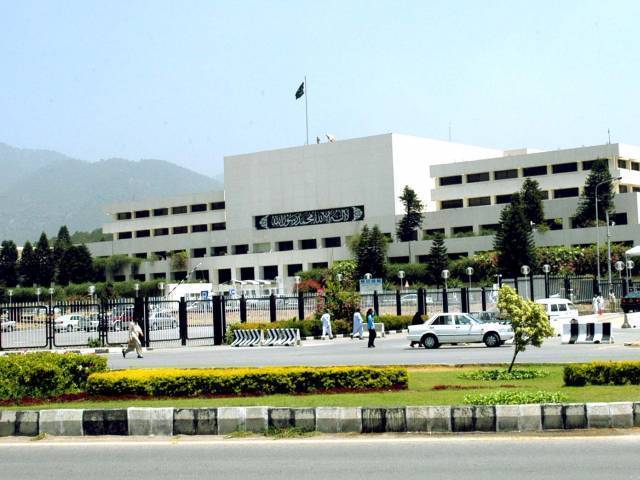
Parliament of Pakistan

1956

Supreme Court of Pakistan

1947

Independence of Pakistan

Constitution on. 10th April, 1973

لائرز پاکستان بار کونسل

The Bar Council of Pakistan was established by Parliament in 1973 under the Bar Councils and Advocates Act. It is the highest elected body of lawyers in Pakistan. It has twenty-two members elected from all over the country representing each province

Wikipedia

Fight For Justice

Dedicated Team

Pro Pakistan

High courts of Pakistan

Five high courts

Icon

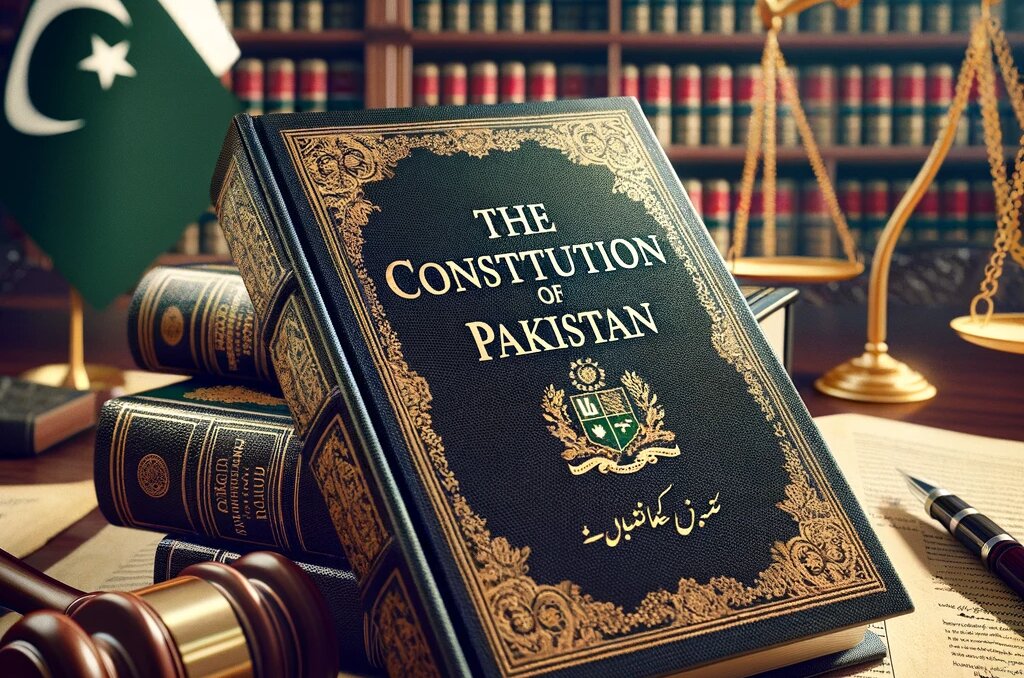
Constitution of Pakistan

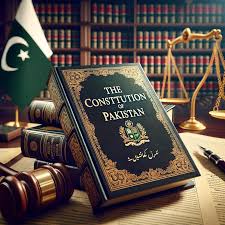
The Constitution of Pakistan آئینِ پاکستان also known as the 1973 Constitution, is the supreme law of Pakistan.

Read More
Icon

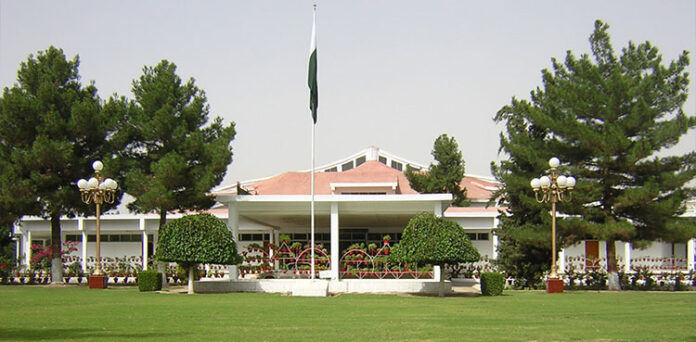
Balochistan High Court

1st of December 1976 The High Court of Balochistan was established on the 1st of December 1976.

Read More
Icon

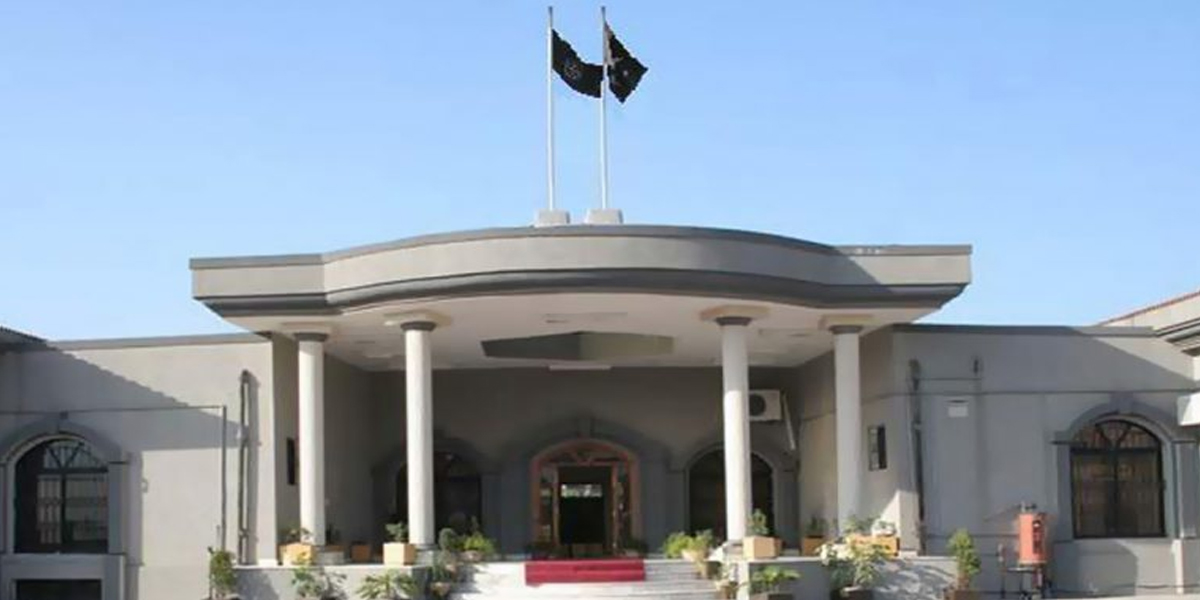
Islamabad High Court

History. The Court was originally established on 14 August 2007 by Presidential Order of Pervez Musharraf, the military ruler at the time.

Read More
Icon

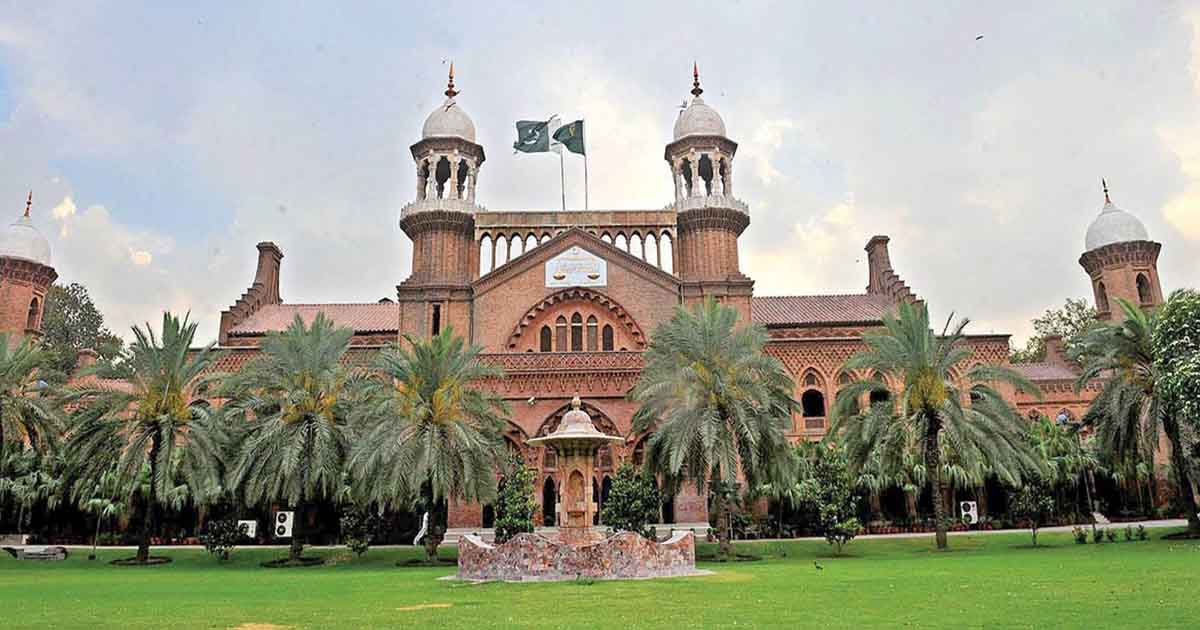
Lahore High Court

March 21, 1919 Founder : George V of the United Kingdom 1866 Established

Read More
Icon

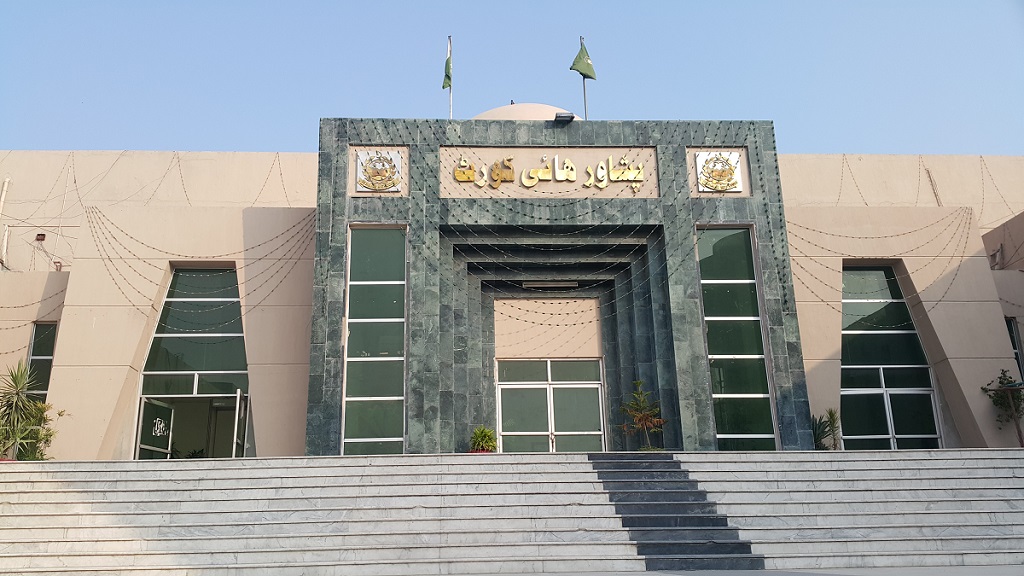
Peshawar High Court

The province was formally founded on 9 November 1901, (the King's birthday) had to get one Judicial Commissioner.

Read More
Icon

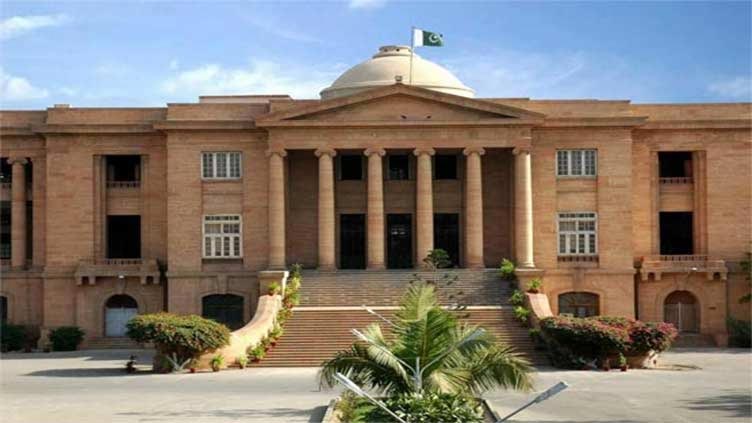
Sindh High Court

A Sadar Court for the Province of Sindh was established by Bombay Act XII of 1866.

Read More

Pakistan Bar Council

لائرز پاکستان بار کونسل

Our Wonderful Courts

  • Pakistan
  • Provencial
  • High Court

Constitution of Pakistan

Balochistan High Court

Islamabad High Court

Lahore High Court

Peshawar High Court

Sindh High Court

PAKISTAN

Autonomous Territories high courts

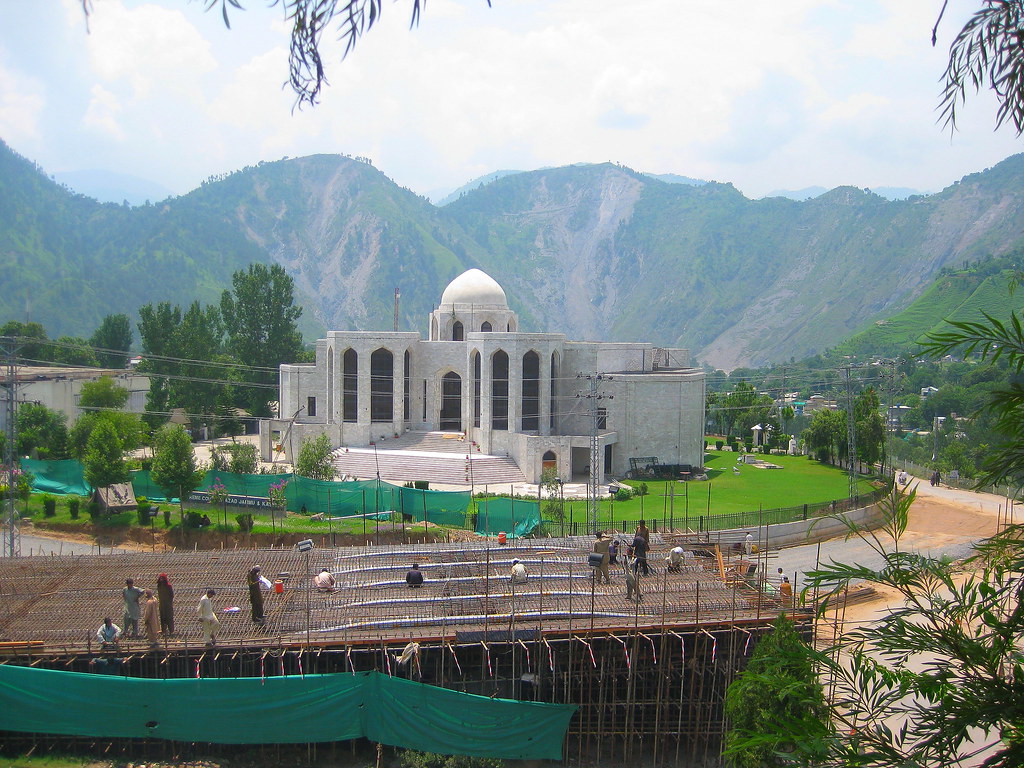
Azad Kashmir Supreme Court

Established May 18, 1948

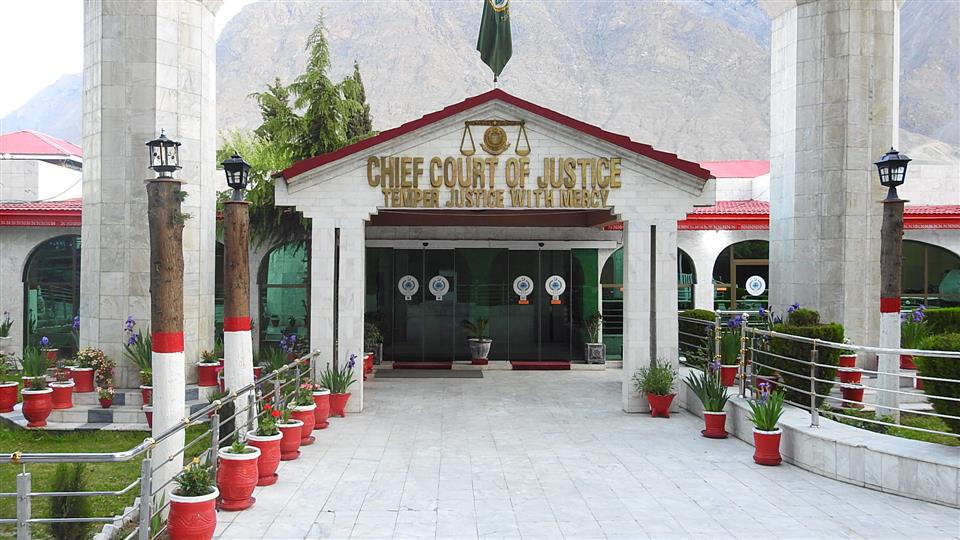
Gilgit-Baltistan Chief Court

Established 2009

Parliament of Pakistan

23 March 1956

Regulating Legal Profession

لائرز پاکستان بار کونسل

Council is not responsible for regulating the legal profession: This is the responsibility of the provincial bar to which each lawyer belongs

Regulating